
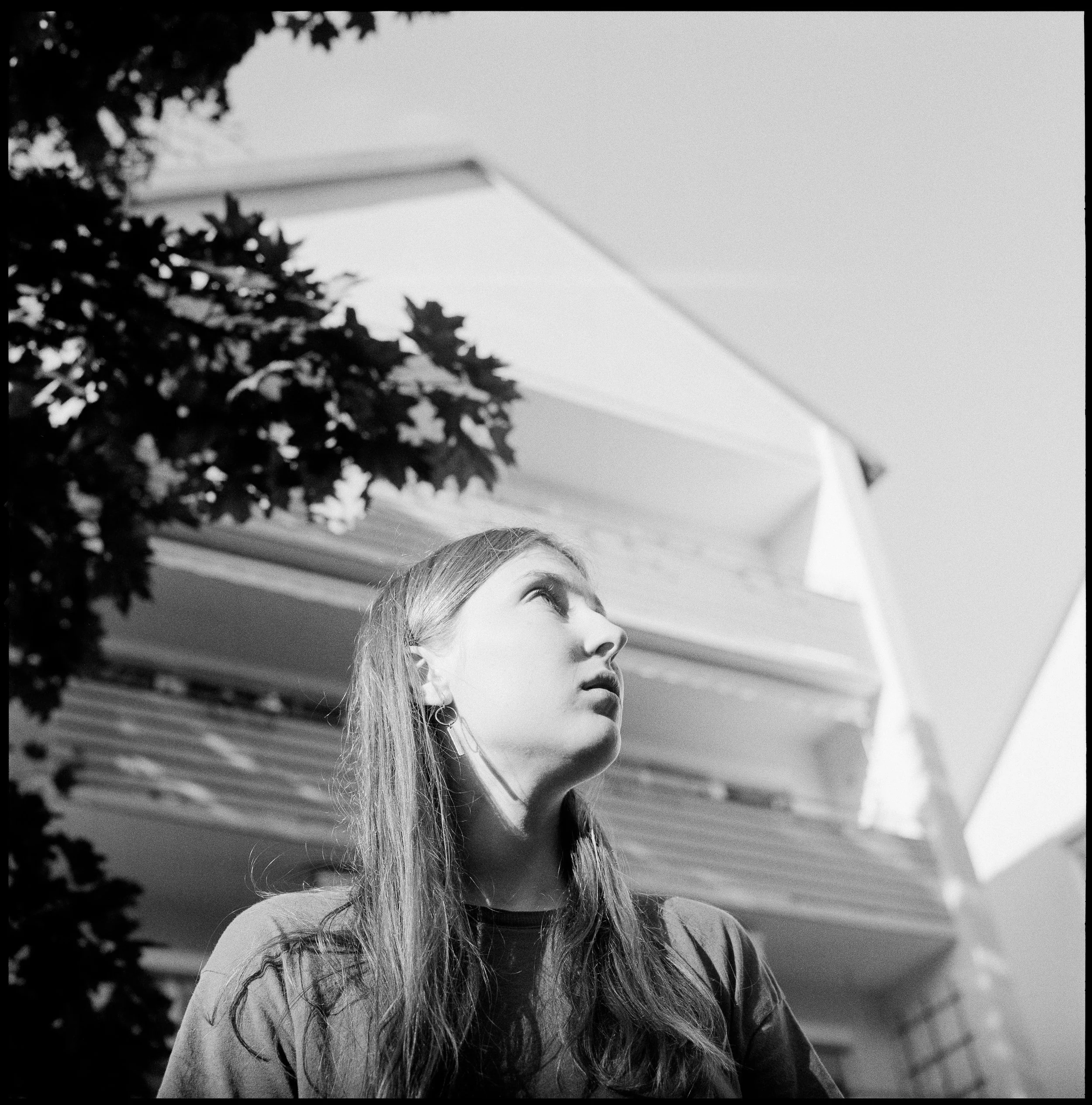

"Vom Finden des eigenen Ichs" (engl. "About Finding My Self") is the title of my final bachelor project which revolves around identity – especially my own. Over the course of several months all I could think about was finding an answer to the question who I really was, learning a lot about the topic identity in general and working out a concept on how to visualise the process of "finding my self" or rather searching for it.
I then decided to do three self portrait photo series, each of them representing one "pillar" of my identity (based on H.G. Petzold's "Five Pillars of Identity"): my home, my memories and my relationships (myself – myself & myself – others).
In a final step I collected all the photos along with texts and diary entries in a journal.
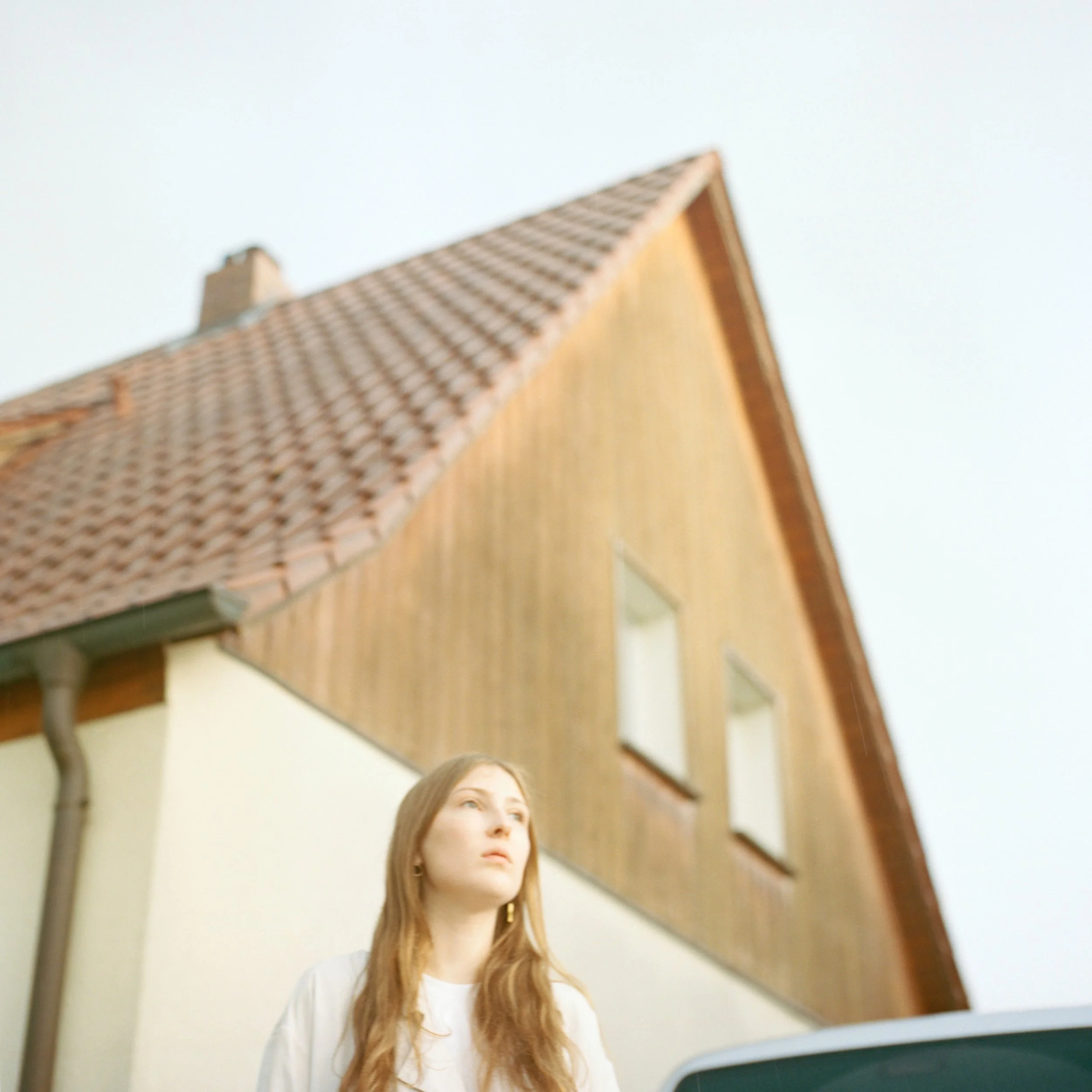

Identity and home are, in most cases, closely connected — and that’s certainly true for me. After moving out and gradually detaching from home, my view of where I come from became clearer. I now also see its imperfections alongside all the things I love about it; I see the ambivalence it stirs in me whenever I think of it, and I see it in different lights.
Sometimes warm and bright, when the sun is shining, I walk through our garden and gather strength. I feel safe, protected. But if I stay too long, it becomes dark and oppressive. I feel confined by the small village we live in and by the limited possibilities that come with it. That’s when a sense of gloom sets in, and I need to leave home again for a while so that the shadows don’t take over.
The series (ho)me is intended to reflect these conflicting emotions I carry inside me when it comes to my home; light plays a central role in this. I kept thinking about what home means to me and how I could best express my relationship to it through photography.
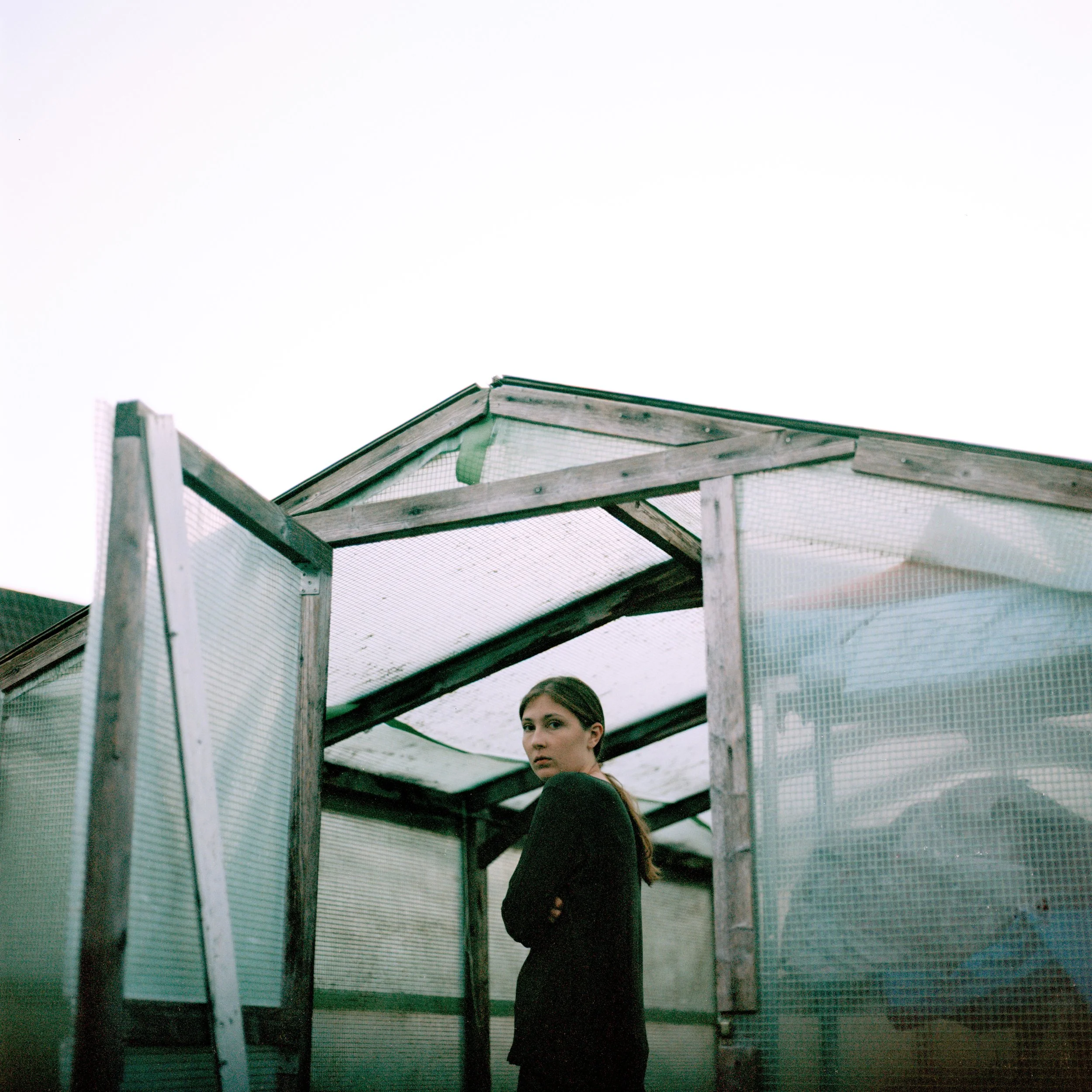
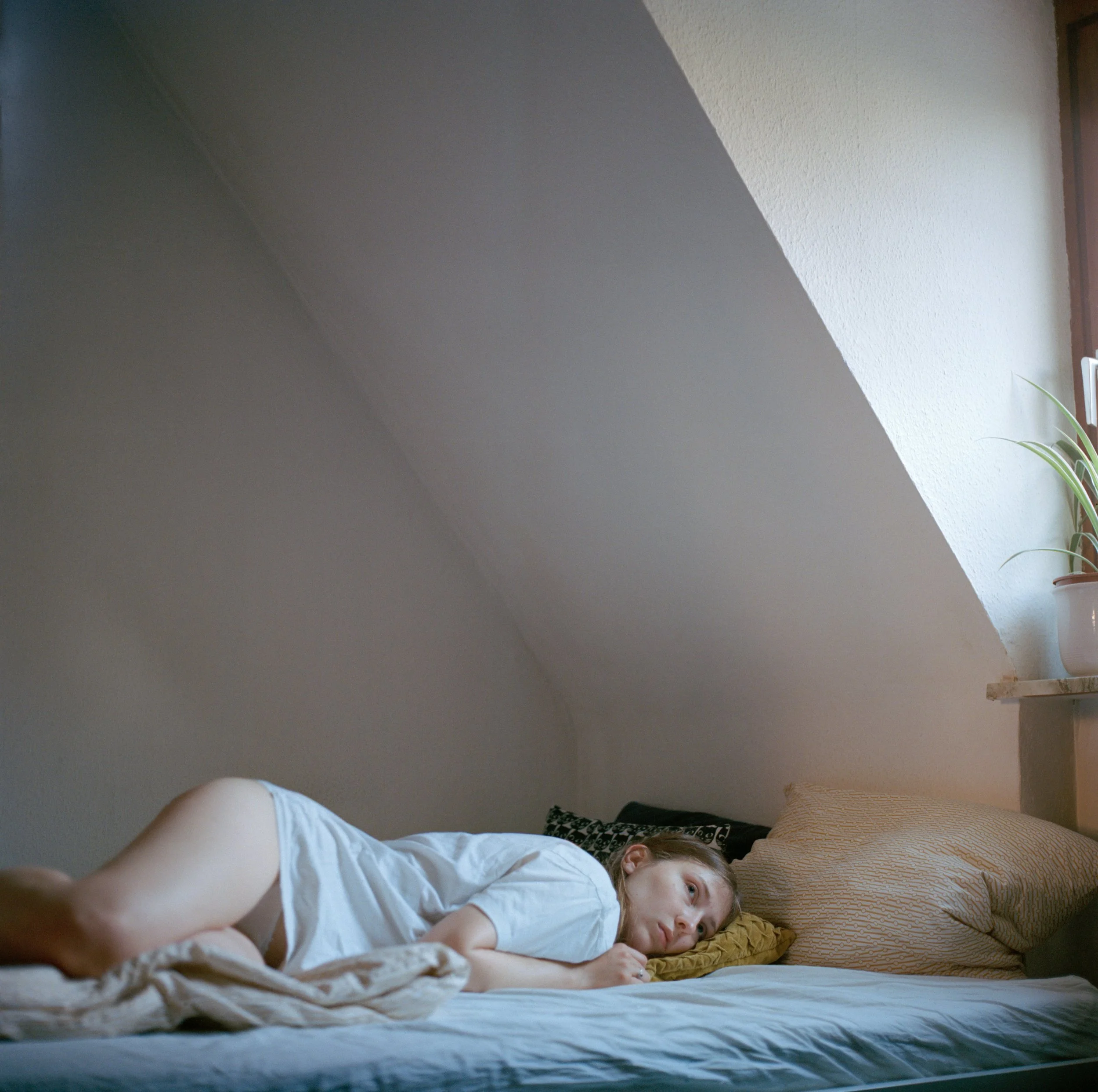

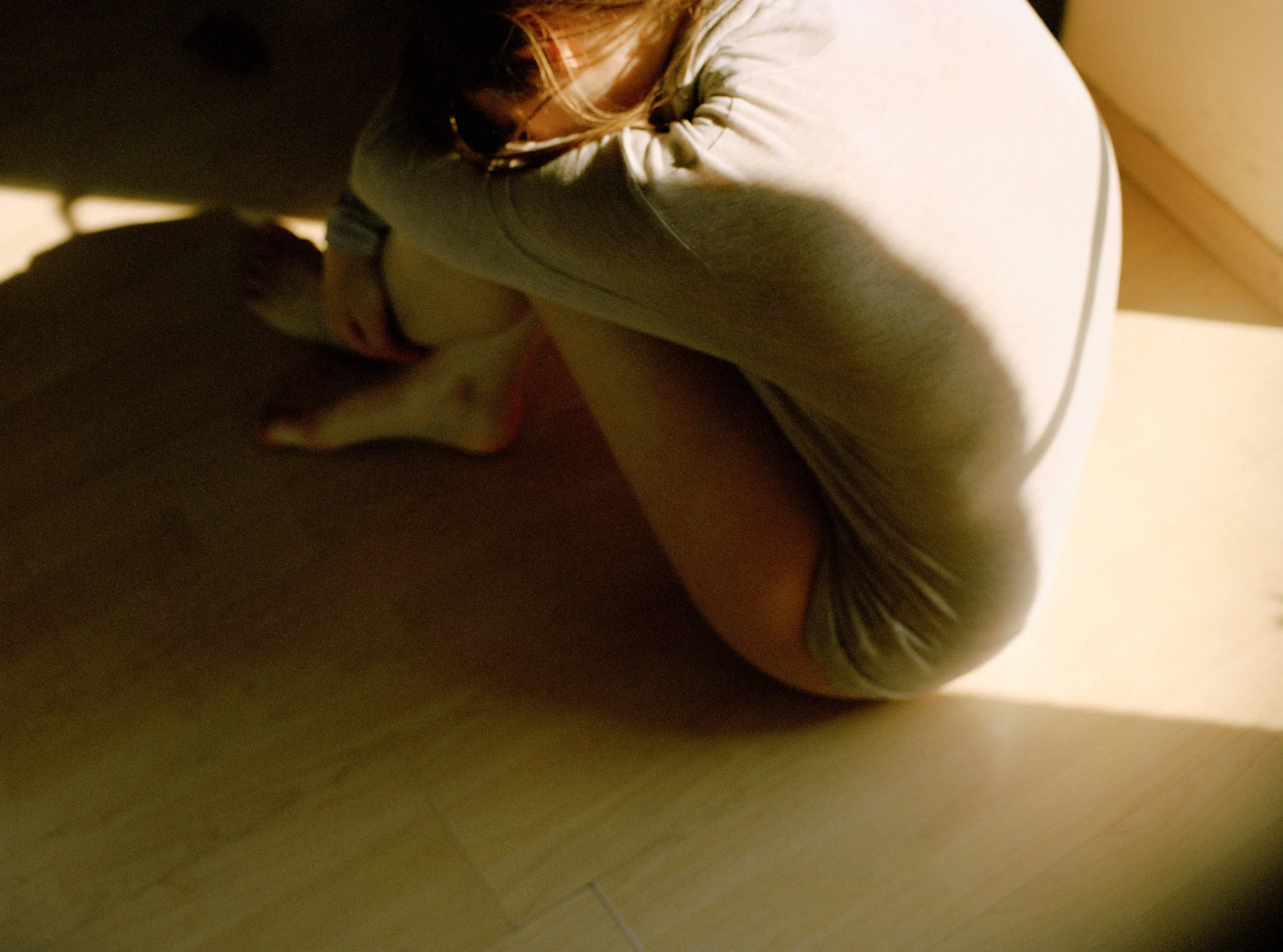
Is my childhood home my true home? Or is it the place where the house stands? Or the entire region? What exactly do I include in the term?
(ho)me presents, in seven self-portraits, fragments of what home ultimately means to me. Of course, it’s the people who make a place or a house feel like home, but in this series I wanted to focus entirely on the places themselves — the ones that give me a sense of belonging. These places are tied to memories and stories that have been, and still are, essential to my identity.
My "new home" (in 2017) is also included in this series — meant to symbolize the step into something new and still unknown.
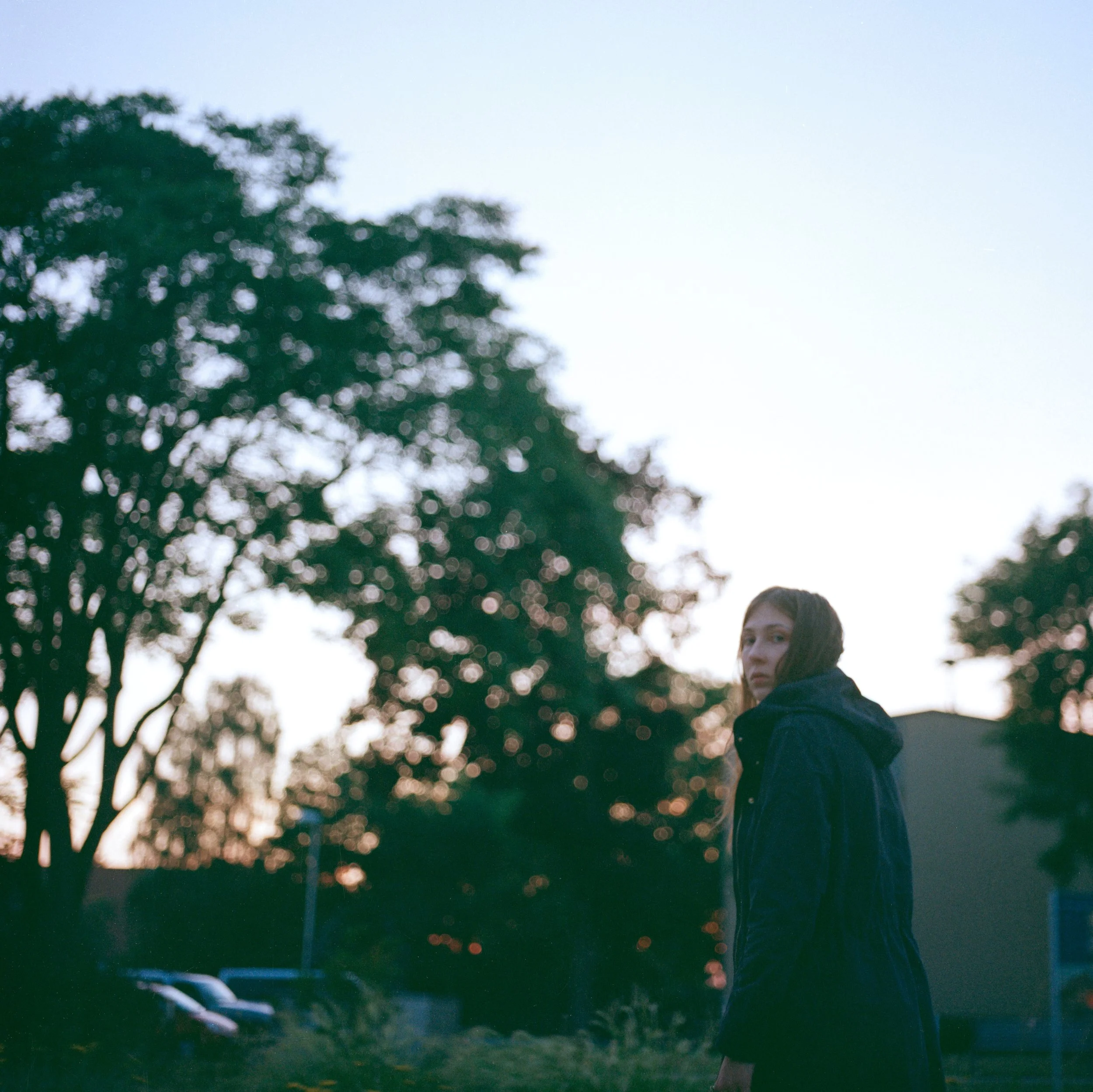
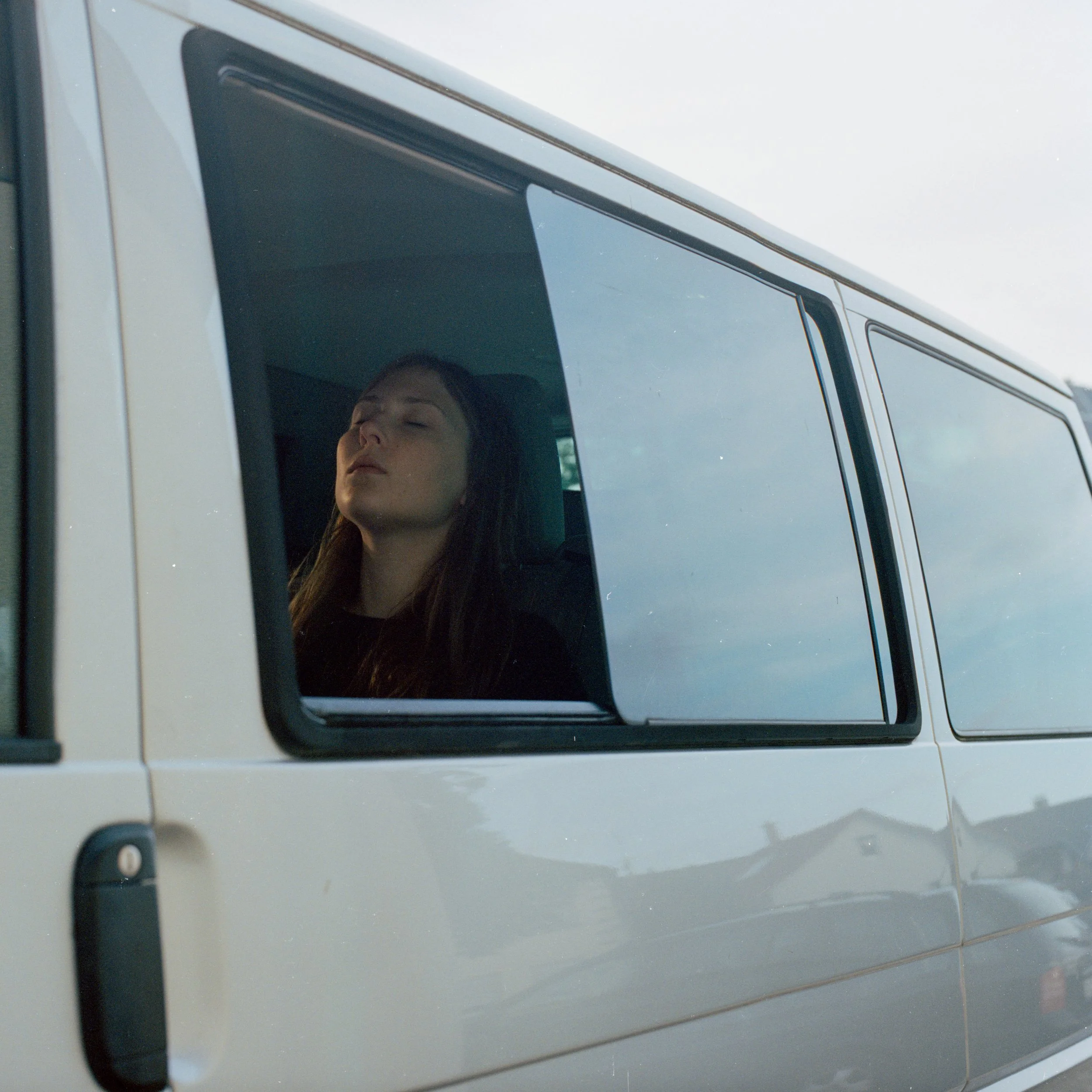

“Across from the fairground!” — that’s what I always used to say when I was four years old and someone asked me where I lived. Strictly speaking, we didn’t live directly across from the fairground, but a few hundred meters down the road. Still, it filled me with pride to say it that way.
My family hasn’t lived there for nearly twenty years now (in 2017), but whenever I happen to pass by the apartment building on Florian-Geyer-Straße, I can feel that it once was my home. A delicate connection that still remains. The building hasn’t even changed much — it actually still looks almost exactly the same as in the old photographs.
But not all the places from my past have stayed the same:
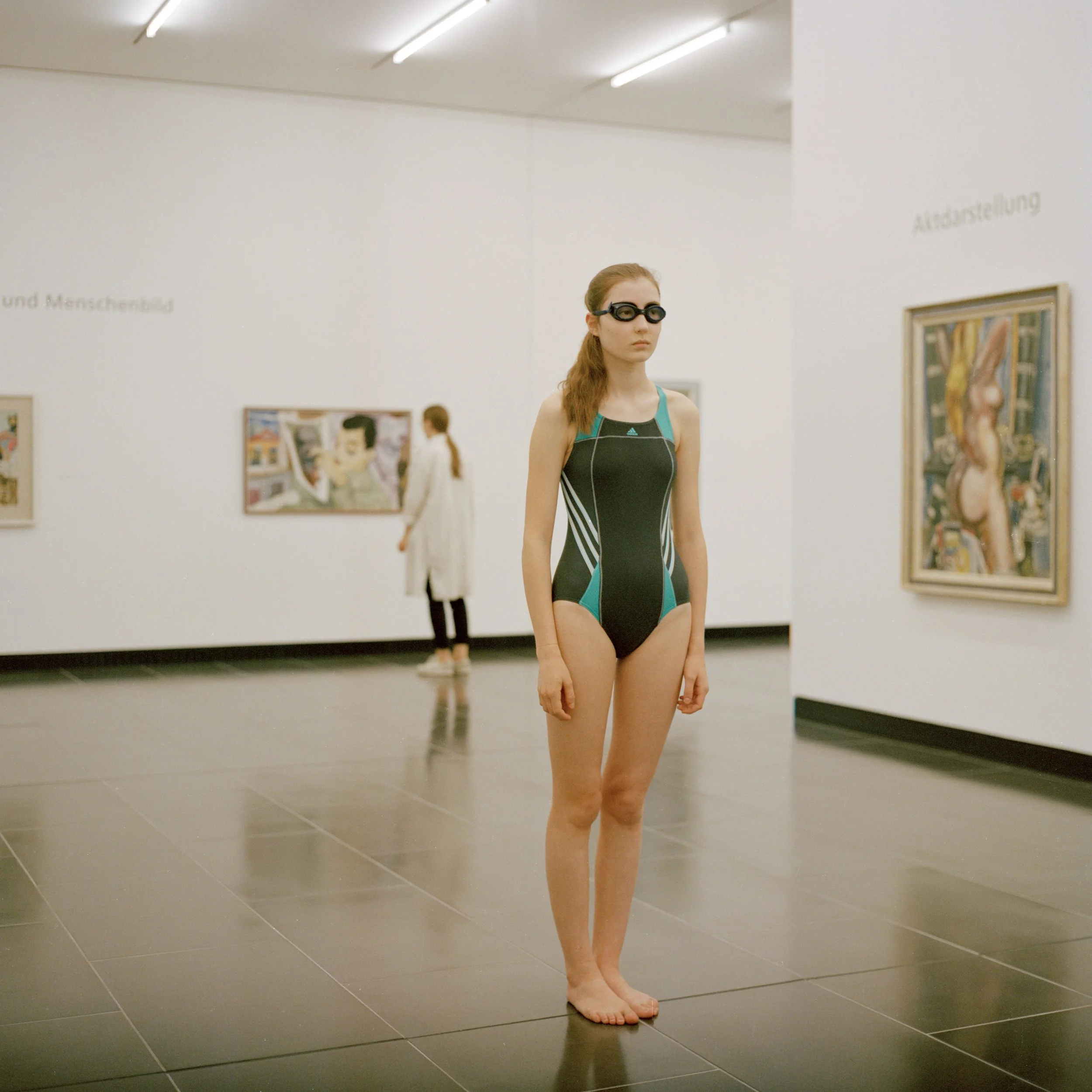
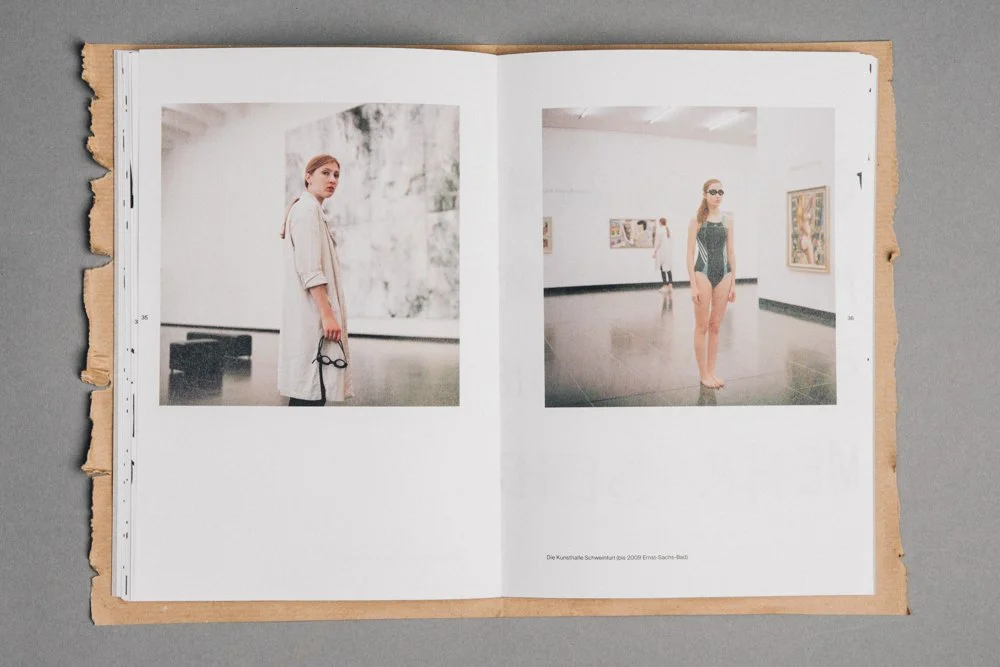
The elementary school I attended from first to second grade no longer exists; the Ernst-Sachs-Bad in Schweinfurt, where I had swimming lessons during lower secondary school, is now the municipal art gallery.
It’s a strange feeling to return to these places and see, in your mind’s eye, what once was — and is no longer. But change is part of life.
Luckily, some things have stayed more or less the same: the elementary school in my village, my high school, and my grandparents’ house.
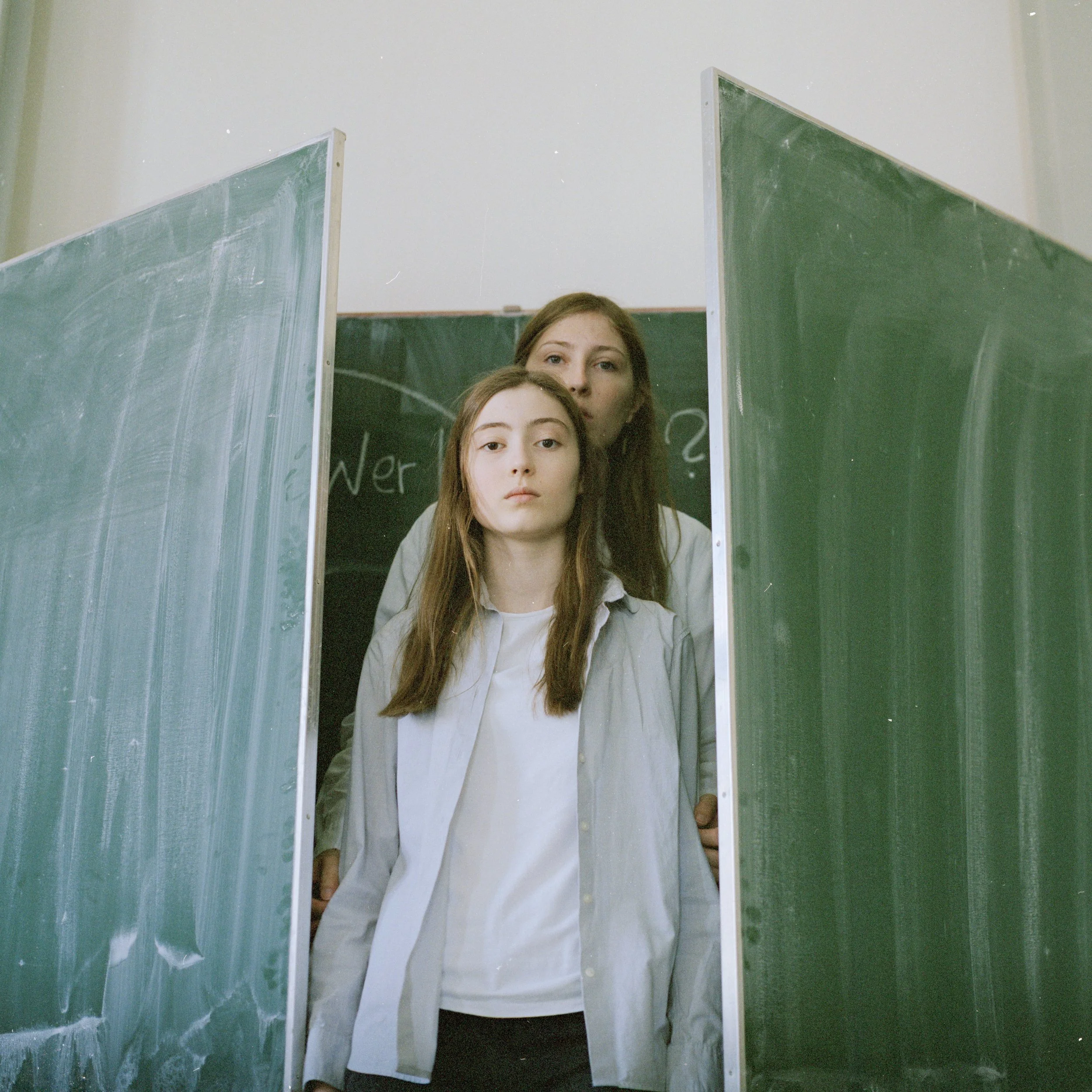
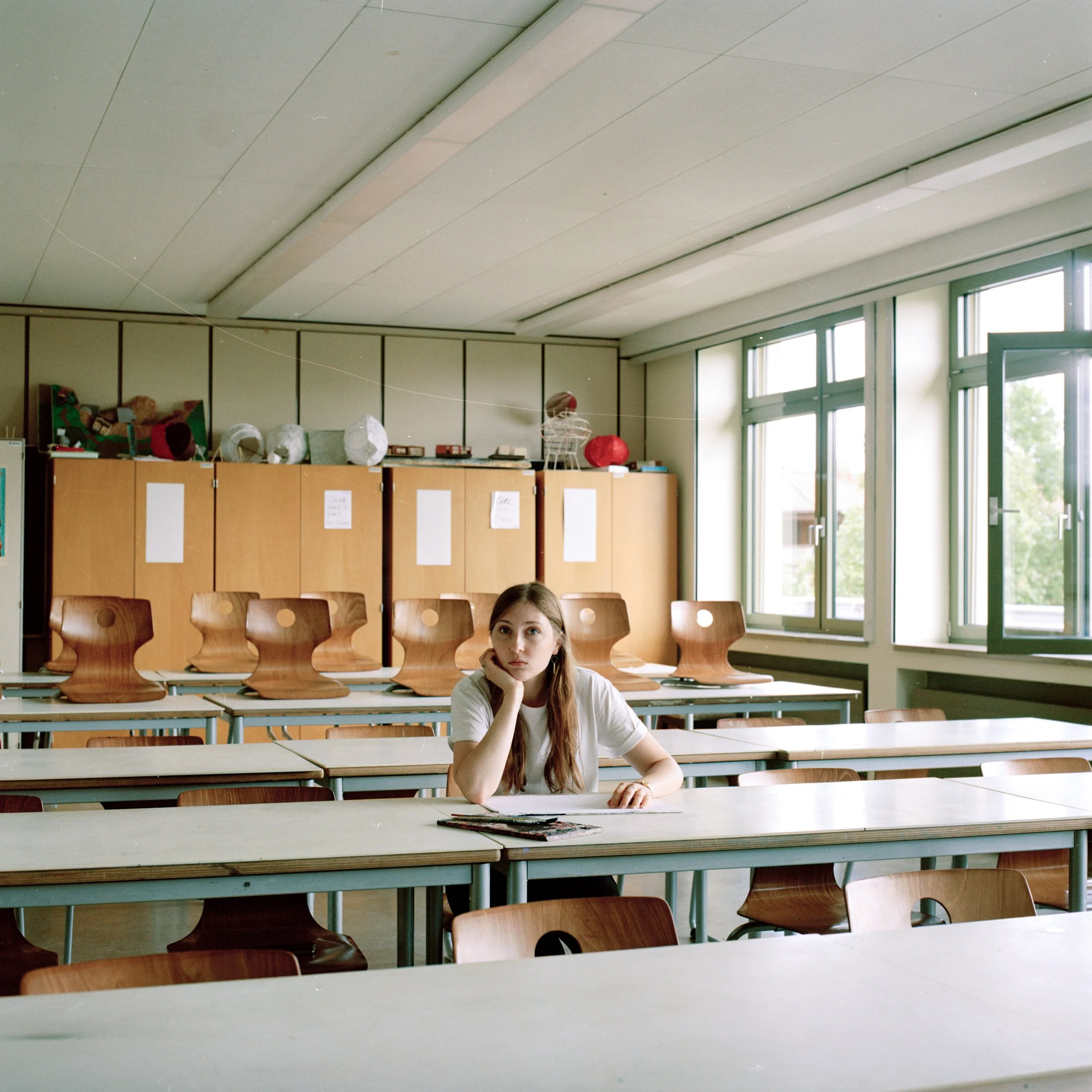
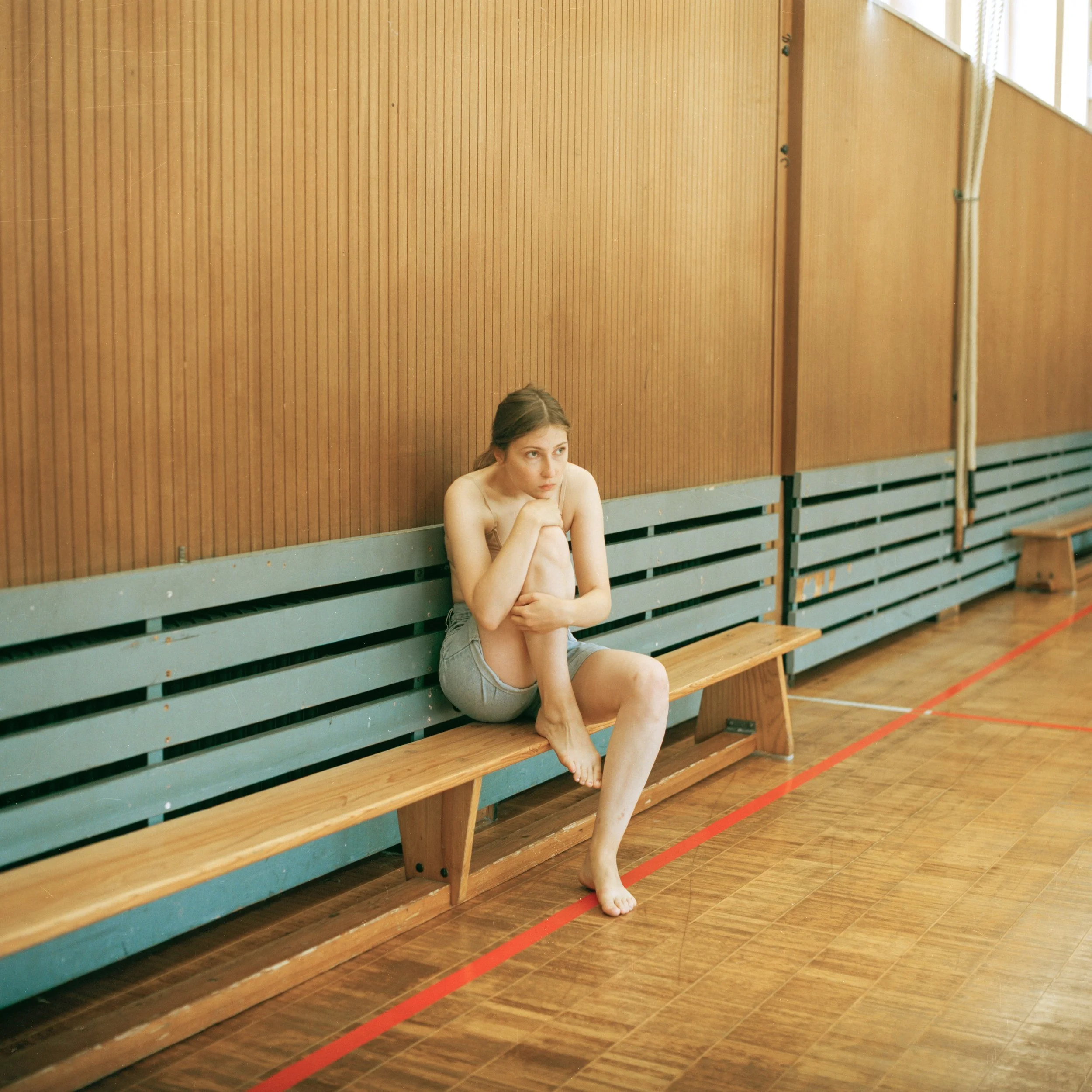
With memories revisited, I return to these places, stirring up memories like dust that has settled on them.
It was important for me to use this photo series to express my connection to the past. That’s why, in addition to myself, one of my sisters appears in some of the images — she represents my younger self, whom I encounter at certain moments. Julia is the sister who resembles me most, which is why I chose her for part of the series. The fact that she is ten years younger than me also played an important role.
For that reason, I primarily included her in photos taken at places that were part of my life around ten to fifteen years ago.
Returning to these locations from my childhood and adolescence as an adult filled me with a certain sense of nostalgia — but through memories revisited, I was also able to make peace with my past in a deeper way.
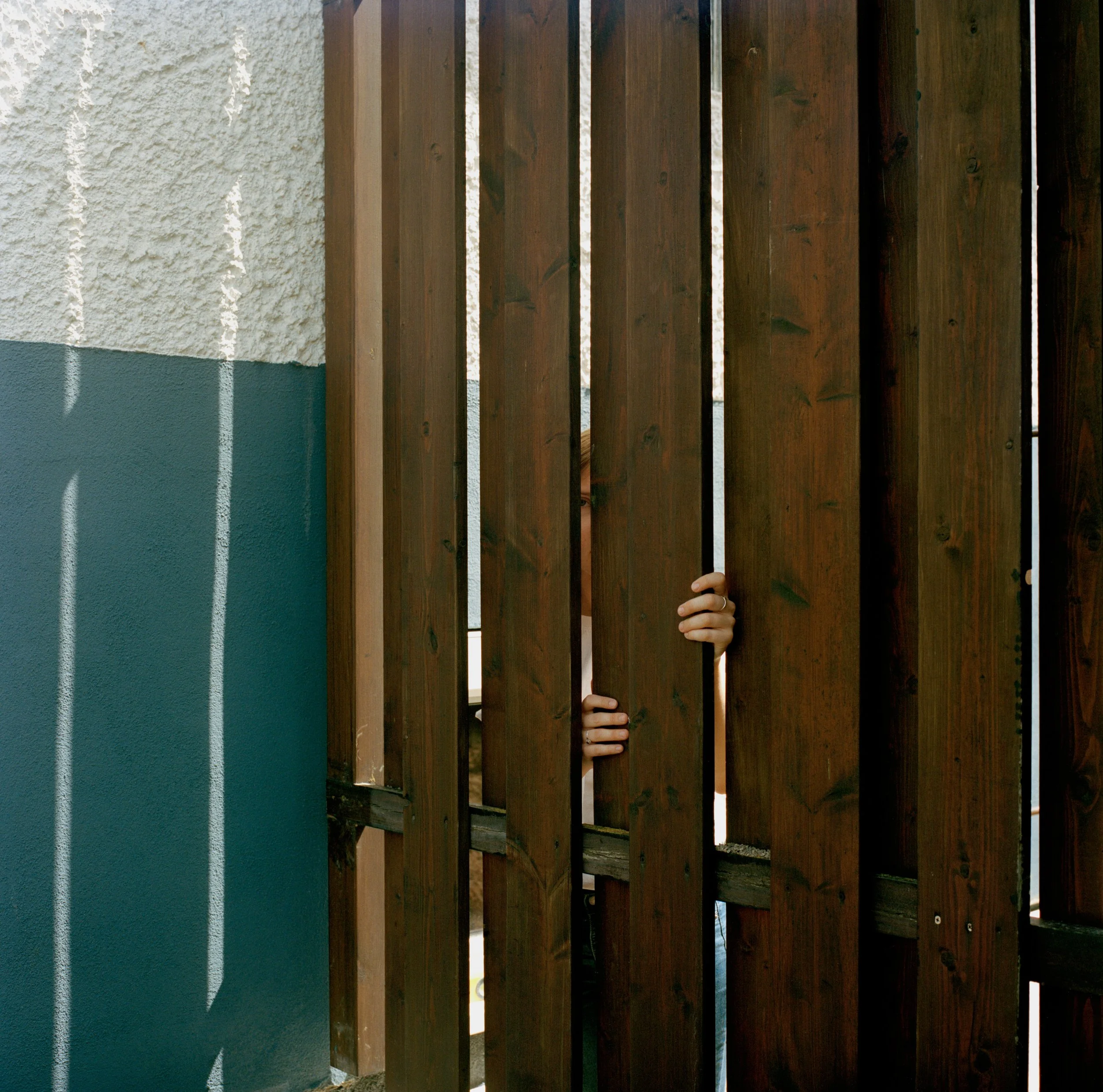


Me and myself, me and the people in my life: i/people.
This third photo series explores human relationships — both between me and those close to me, and between me and myself.
Although all self-portraits, in their own way, reflect a confrontation with the self, in this series I wanted to place even greater focus on that inner dialogue. Here, I reveal more of myself; I am more consciously the subject of each image, as the background and location where the photographs were taken are not of central importance.
Like everyone, I have many different facets that emerge at different times. Sometimes I’m quiet and introspective; sometimes I’m cheerful and full of energy.
I have to admit, though, that capturing my joyful side was much more difficult. Genuine laughter usually arises from interaction — but when taking self-portraits, I mostly work alone. This probably explains the absence of overtly joyful images in this series.
In general, I aimed to show a mostly neutral facial expression in all photos, leaning toward a touch of wistfulness. Sometimes uncertain, sometimes questioning — because confronting one’s own self is never an easy task.
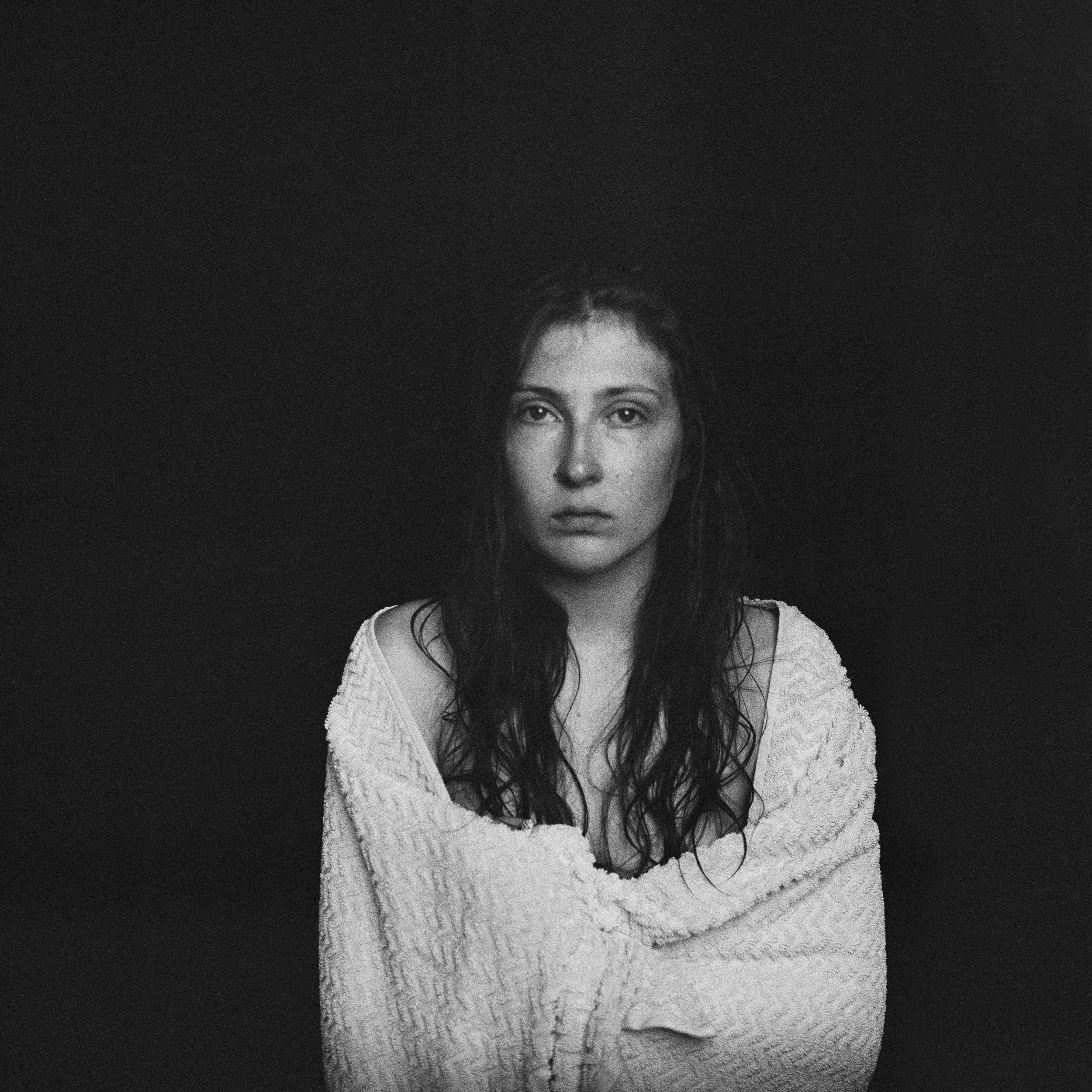
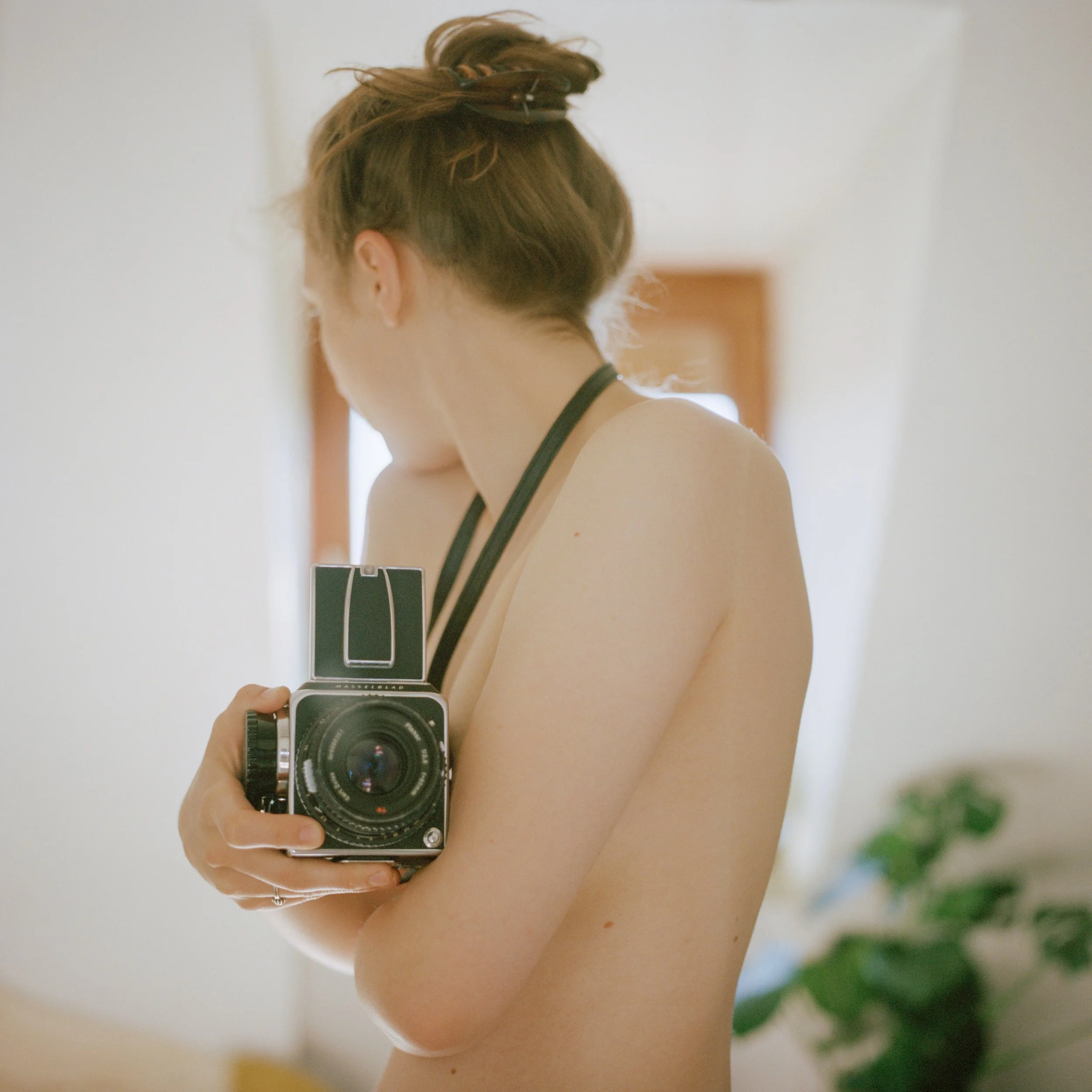
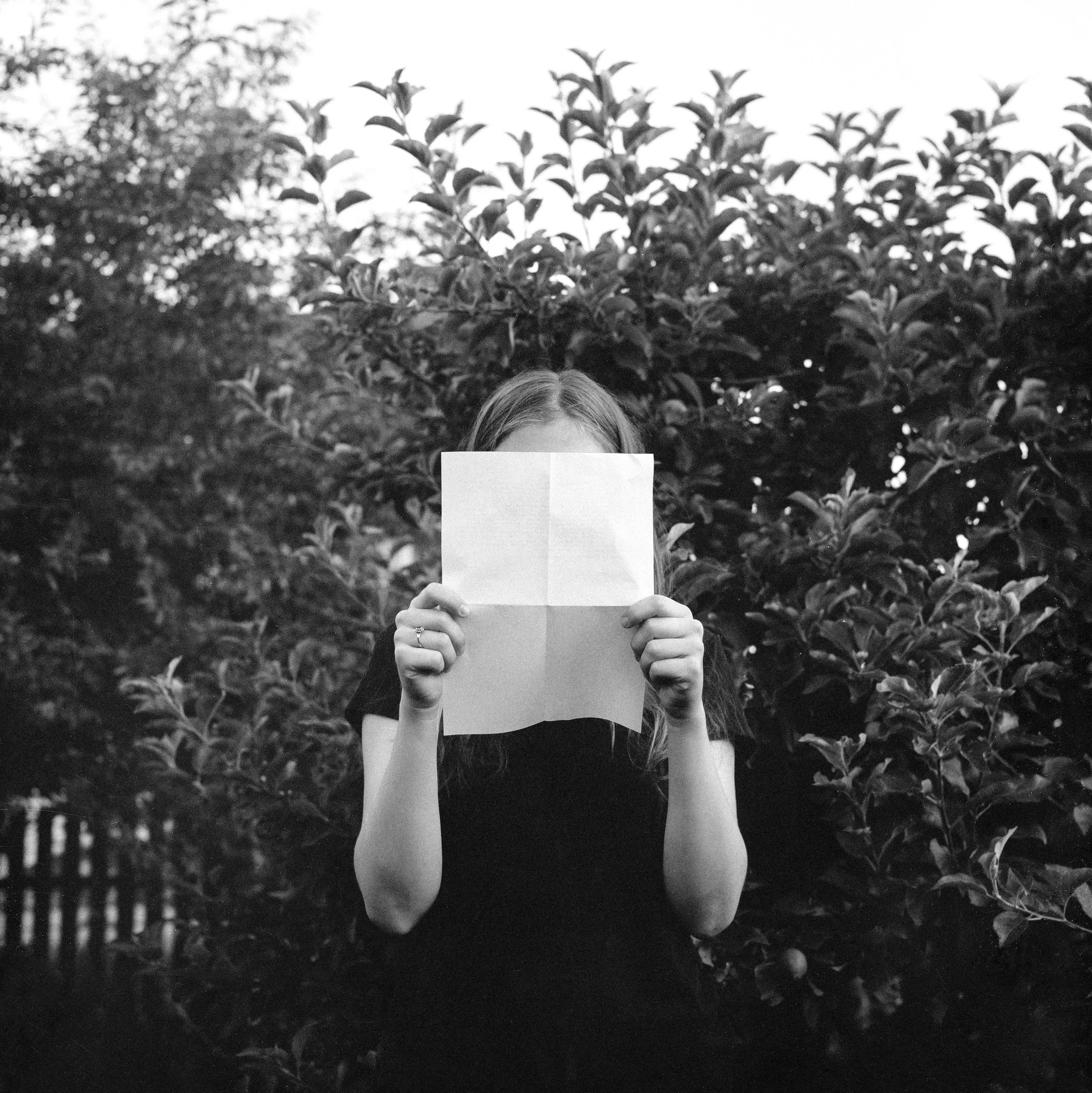
In memories revisited, I looked back into the past. In this series, I portrayed myself with a letter I wrote to my future self. My identity will continue to evolve and change; the search will go on again and again. What lies ahead, and who I will become, remains uncertain.
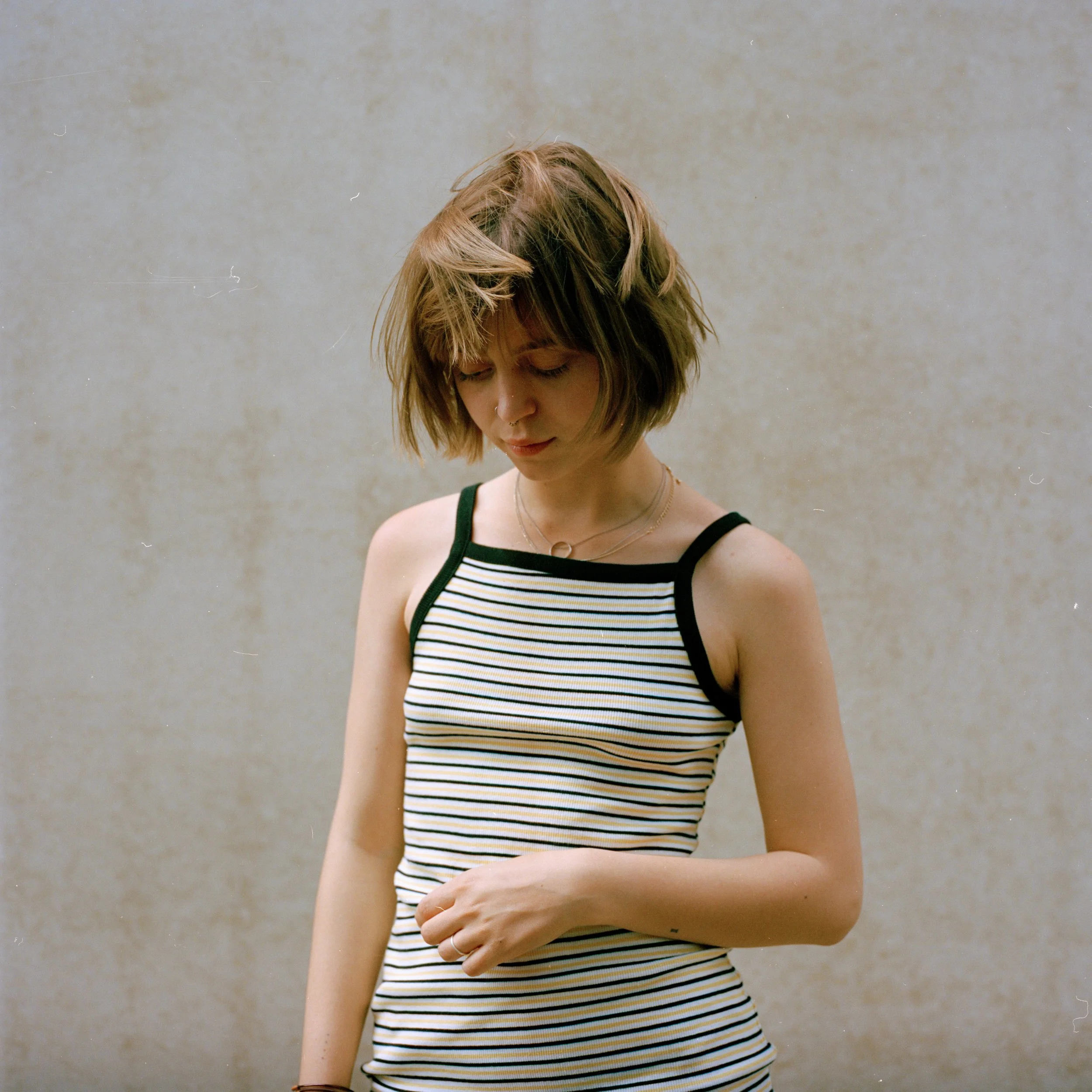
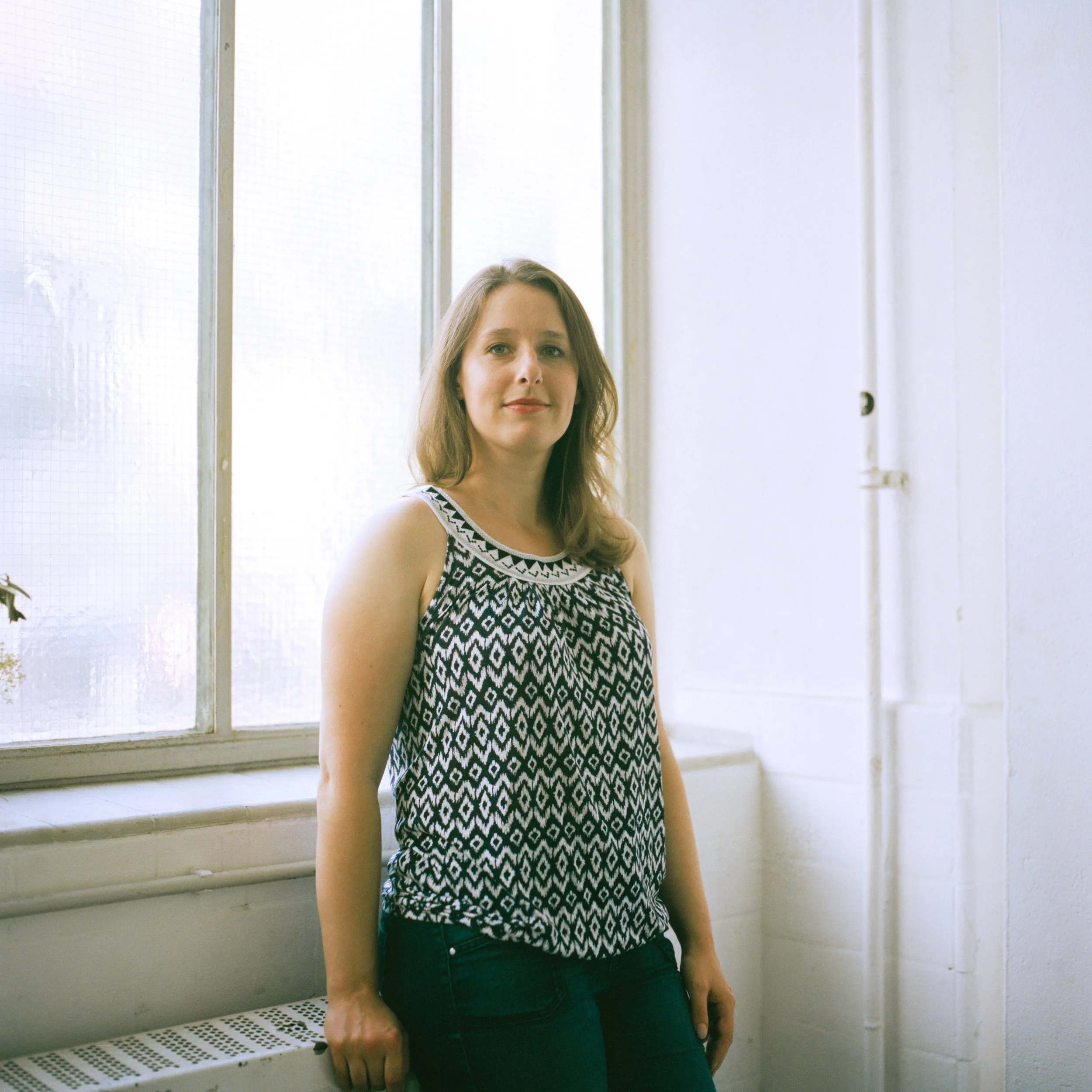
As mentioned, i/people is also about the relationships between me and those I feel closely connected to. For that, I photographed many of my friends — people who have shaped and influenced me in their own unique ways. The individuals portrayed here also stand in for all the other important people in my life whom I wasn’t able to photograph for various reasons.
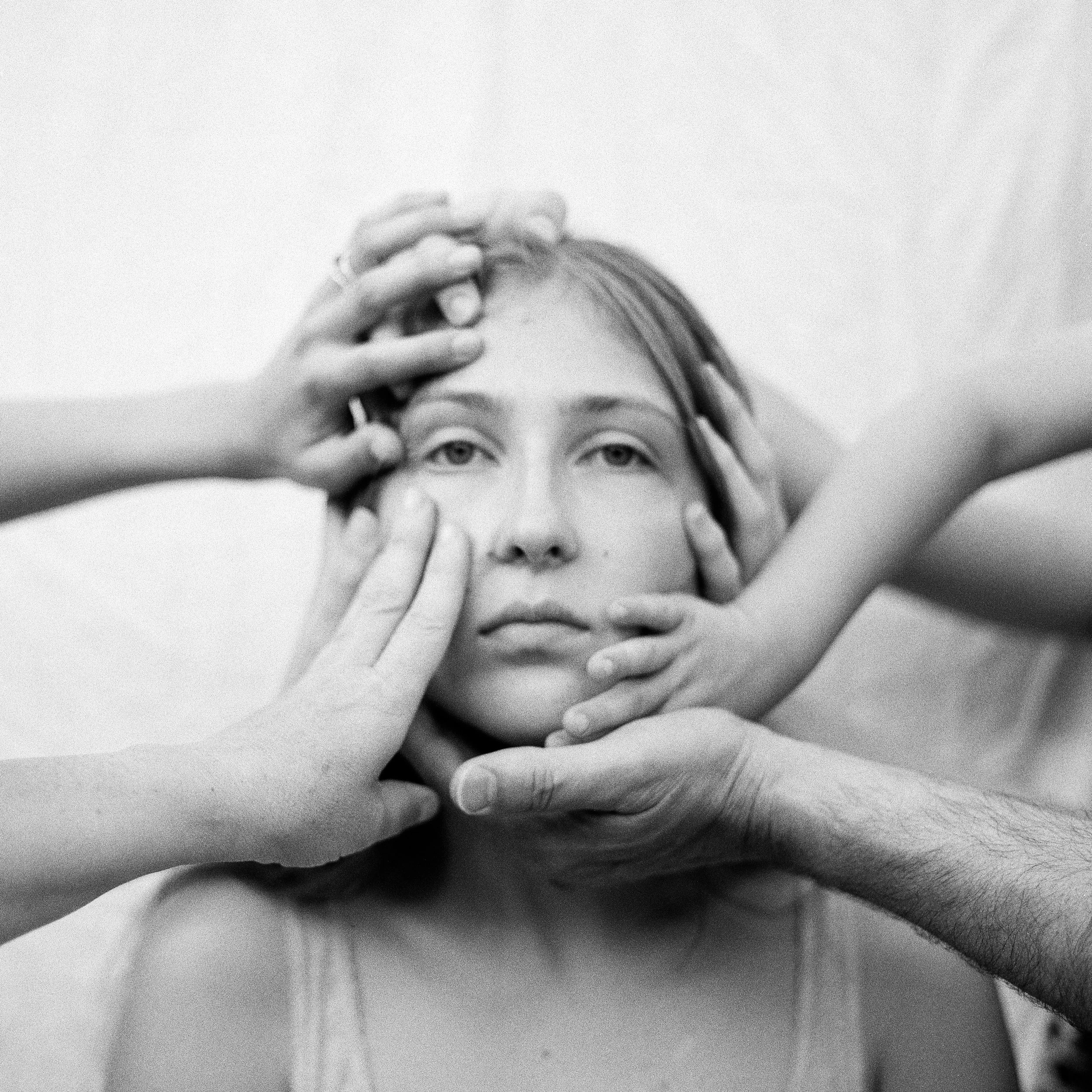
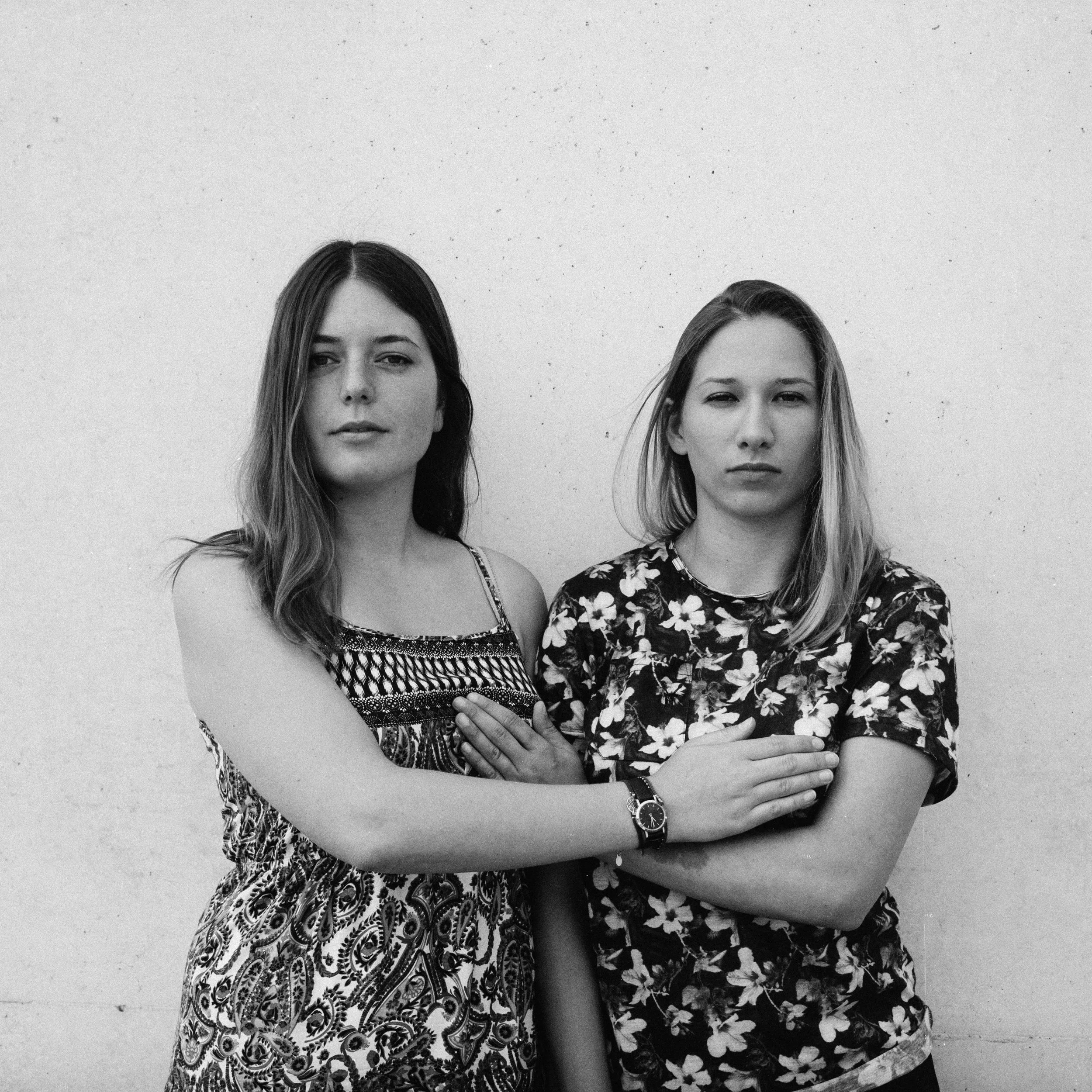
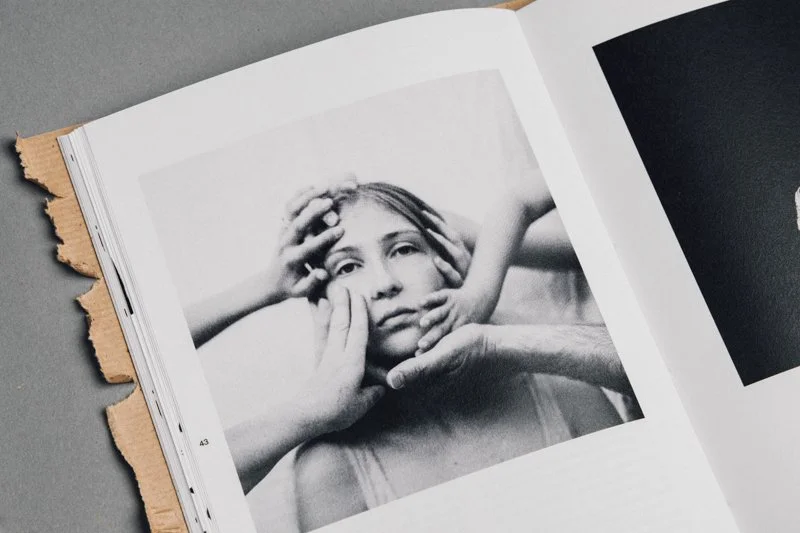
When it came to my family — my parents and siblings — I chose not to use classic portraits. Instead, I wanted to highlight the special nature of our relationship and make it more symbolic: the self-portrait with the hands of my family members represents the support they give me, as well as the deep bond we share.

The format of the journal (or workbook), which roughly corresponds to DIN B5, is the same as that of my notebook in which I recorded all important notes during the bachelor's semester. I also felt it was nicely handy — neither too large nor too small.
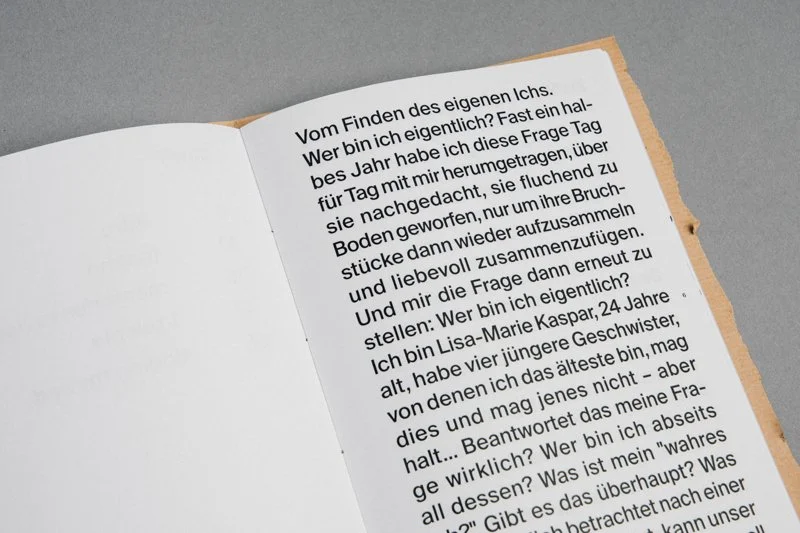
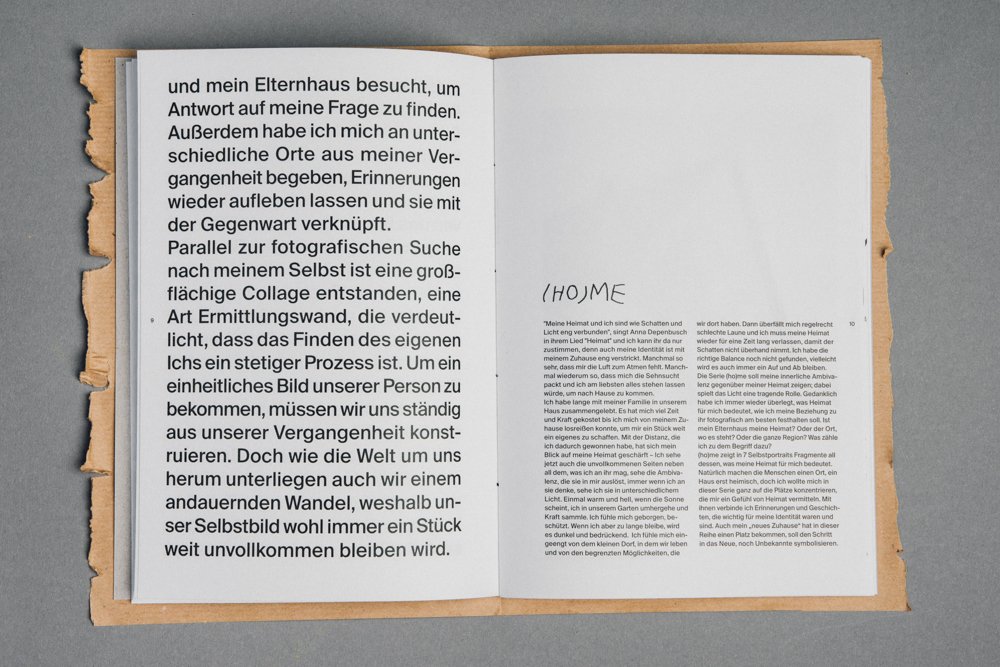
It was also important to me to define a clear grid that both text and images would follow. Once the basic layout was established and I had inserted some images as a test, I began searching for the right typeface. After some experimentation, I found Suisse Int’l by Swiss Typefaces to be the most suitable, as it looks good in both small and larger font sizes.
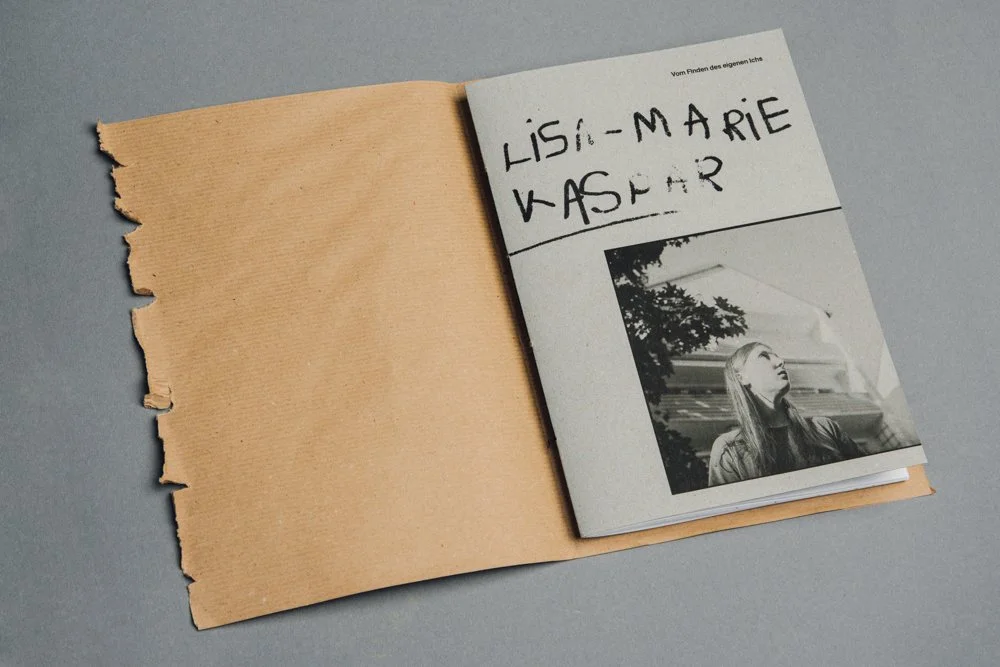
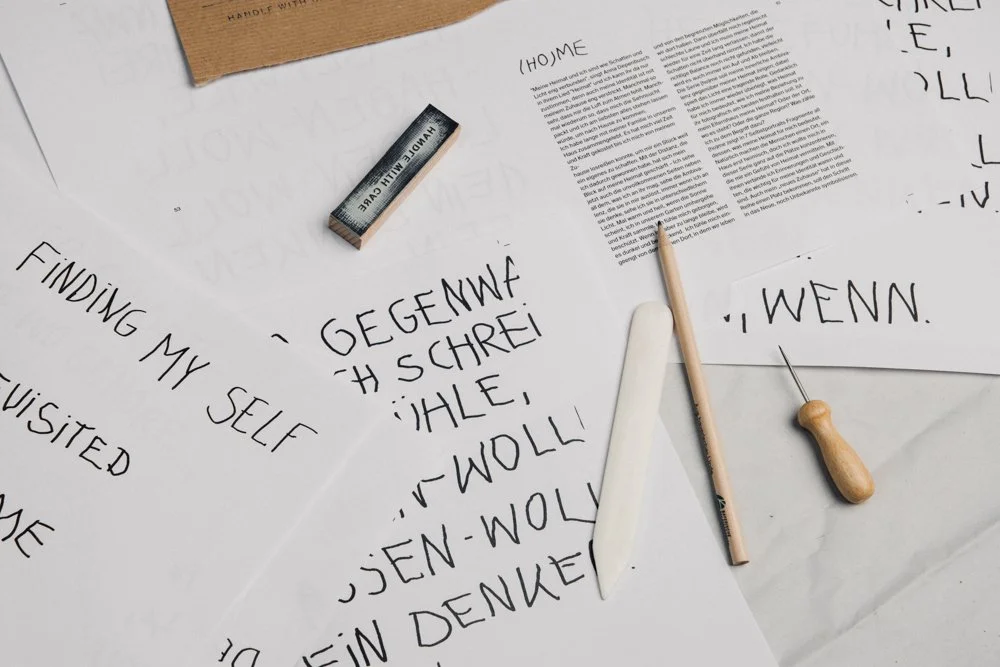
I complemented the informational texts written in this typeface with handwritten diary entries. The handwriting is based on several samples I produced when I was about five years old — found in an old folder. To achieve the scratchy, childlike character of preschool writing, I wrote the texts with my left (non-dominant) hand.
The images are organized by chapter (or series) and appear either alone or across a double-page spread, depending on how they are most effective visually.
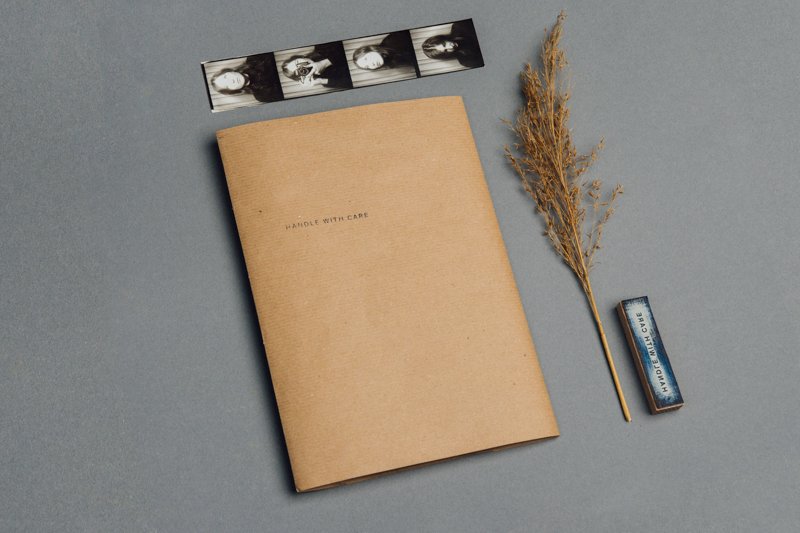
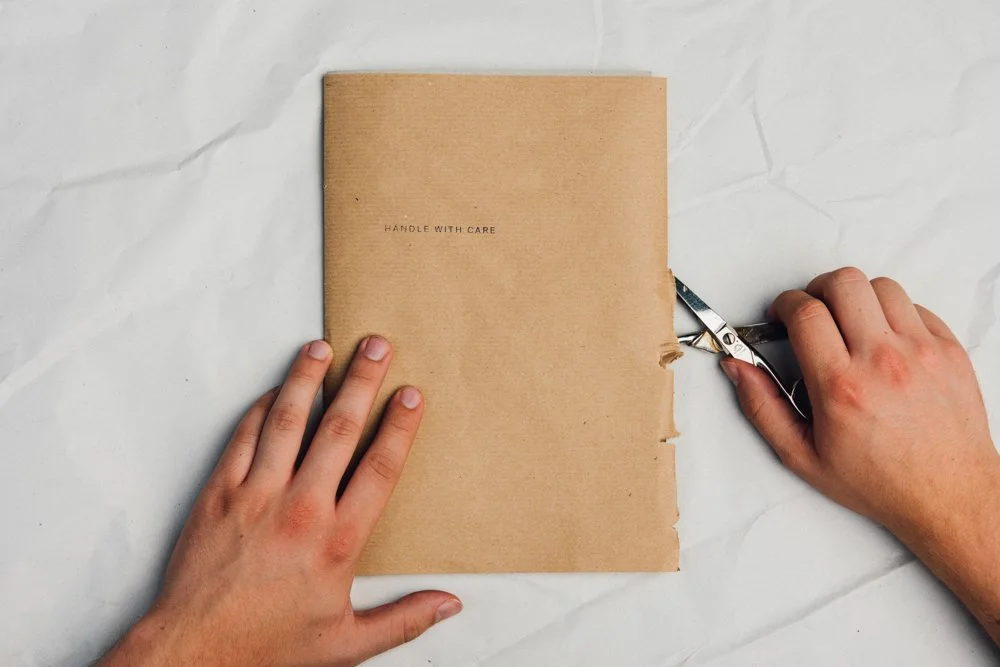
The journal was printed on Geese Pegasus 150 80 g/m² paper, with the cover made from 0.5 mm greyboard. It is enclosed in a brown envelope, stitched to the spine and glued on the opposite side. This envelope must be torn open in order to access the contents, which requires a bit of courage. Symbolically, this is meant to represent the fact that I am revealing many things from within myself — things that may have previously been hidden or protected.

Additional note from 2025:
To this day, “Vom Finden des eigenen Ichs” (“About Finding My Self”), especially “memories revisited” is – personally speaking – my most important work as it deals with identity and memories, two topics that have been staying with me ever since. I am planning on working on that particular series again this year.